
Rotten or damaged wood
Soft sheathing, rotten trim or damaged fascia usually means water has been entering the wall. Removing the old siding allows the source to be found and the damaged material to be corrected before the wall is covered again.

What every South Jersey homeowner should know before a DIY or handyman siding job. 30 pages, with a hidden-damage field guide, cost worksheets and contractor interview questions.
Full tear-off. Hidden damage exposed. Everything in writing.
New siding should do more than improve the appearance of your house. We remove the failing exterior, inspect what is underneath, correct damage and water-management problems, and install a complete siding system designed for your home.
Premium vinyl · Fiber cement · Engineered wood · Repairs · Soffit · Fascia · Gutters · Trim
What are you really buying?
A dependable exterior is a system: sheathing, water-resistant barrier, flashing, siding, trim, soffit, fascia and gutters. A beautiful installation can still fail if the details behind it are ignored.
Reasons to re-side your house
Some signs are obvious. Others show up as repeated repairs, uncomfortable rooms or water damage far from the original opening.
Soft sheathing, rotten trim or damaged fascia usually means water has been entering the wall. Removing the old siding allows the source to be found and the damaged material to be corrected before the wall is covered again.
Cleaning can remove dirt, but it cannot restore siding that has permanently faded, chalked or deteriorated. Replacement creates a consistent finish and an opportunity to update color, profile and trim.
Gaps and damaged panels allow wind-driven rain, debris and pests to reach the wall system. One area may be repairable; widespread damage often makes continued patching a poor long-term plan.
Interior stains, peeling paint, musty odors or repeated exterior mildew may point to failed flashing, damaged house wrap, overflowing gutters or another drainage problem that must be corrected—not hidden.
Siding is not a complete insulation system, but replacement opens the door to seal gaps, install the water-resistant barrier correctly and consider insulated products or exterior foam where appropriate.
Wood can be beautiful, but it demands ongoing inspection and refinishing. Lower-maintenance materials may reduce that burden while preserving the style and proportions of the house.
Wind, hail, falling branches and flying debris can damage more than the visible finish. An inspection should document the siding, fastening, flashing, house wrap and sheathing before temporary repairs hide the condition.
New profiles, vertical accents, shake sections, contrasting trim and coordinated roof-edge details can transform an older house without changing its basic structure.
Materials to re-side a house
Architecture, wall condition, weather exposure, maintenance expectations and budget all matter. We identify the exact manufacturer and product line in the written proposal.
Most installed
Vinyl offers broad color and profile choices with low routine maintenance. Product quality, fastening, expansion spacing, house wrap, flashing and trim details matter as much as the panel itself.
Explore premium vinylCrisp architecture
Fiber cement delivers a substantial painted-wood appearance and resists rot and insect damage. It is heavy and detail-sensitive, so cutting, fastening, clearances and flashing must follow the selected product’s instructions.
Explore James HardieReal wood texture
Engineered wood combines wood fibers or strands with resins and protective treatments. It provides strong lap definition and can be repainted, but finish care, clearances and moisture management remain essential.
Explore LP SmartSideA contoured foam backing supports the panel and can create a flatter, more substantial profile. It may add modest thermal performance, but it does not replace a complete insulation and air-sealing plan.
Aluminum is durable, rot-resistant and paintable, and it remains common on older homes, soffits and fascia. It can dent, scratch and oxidize, so the condition and intended use should be evaluated carefully.
Natural wood provides warmth and authentic character, especially on traditional and historic homes. It requires regular inspection and finishing, plus careful flashing and moisture control.
Composite and polymer products can reproduce wood, shake or shingle profiles with reduced maintenance. Performance varies widely, so the proposal must identify the exact product, finish and installation requirements.
Stucco is a complete cladding system rather than a row of panels. Cracks, stains, bulges and soft areas can indicate drainage or flashing problems that must be investigated before repair or replacement.
Masonry veneer depends on flashing, drainage space, weep openings and careful transitions around windows, doors, decks and roofs. Durable materials still fail when water-management details are wrong.
Important: Not every material shown here is an SJCC installation offering. We explain materials commonly found on local homes and identify when repair, coordination or a specialty trade is appropriate.
Behind the finish
The finish is only the outer layer. Each component must send water outward and allow the assembly to dry.
The SJCC siding standard
Our standard for complete replacement is removal to the sheathing. That gives the crew a known surface and allows hidden conditions to be documented before the wall is closed.
The water-resistant barrier, window and door flashing, roof-to-wall details, utilities and other penetrations are treated as one system—not miscellaneous extras.
If an unexpected condition appears, we stop, photograph it, explain the options and obtain written approval before additional work proceeds.
What tear-off may reveal
A siding proposal should explain how these conditions will be documented, priced and corrected.
Often concentrated below windows, doors or failed trim.
At roof intersections, openings, decks and penetrations.
Common behind older installations and previous overlays.
Moisture and gaps can create concealed access and nesting.
Leaks can reach band joists, headers and wall framing.
Leaking windows, roof edges, gutters or unsafe wiring may appear.
We stop. We photograph it. We explain it. We put the options in writing before additional work proceeds.
See the complete exterior
Color, trim width, corner details and roof-edge integration determine whether a house merely looks resided or looks thoughtfully redesigned.
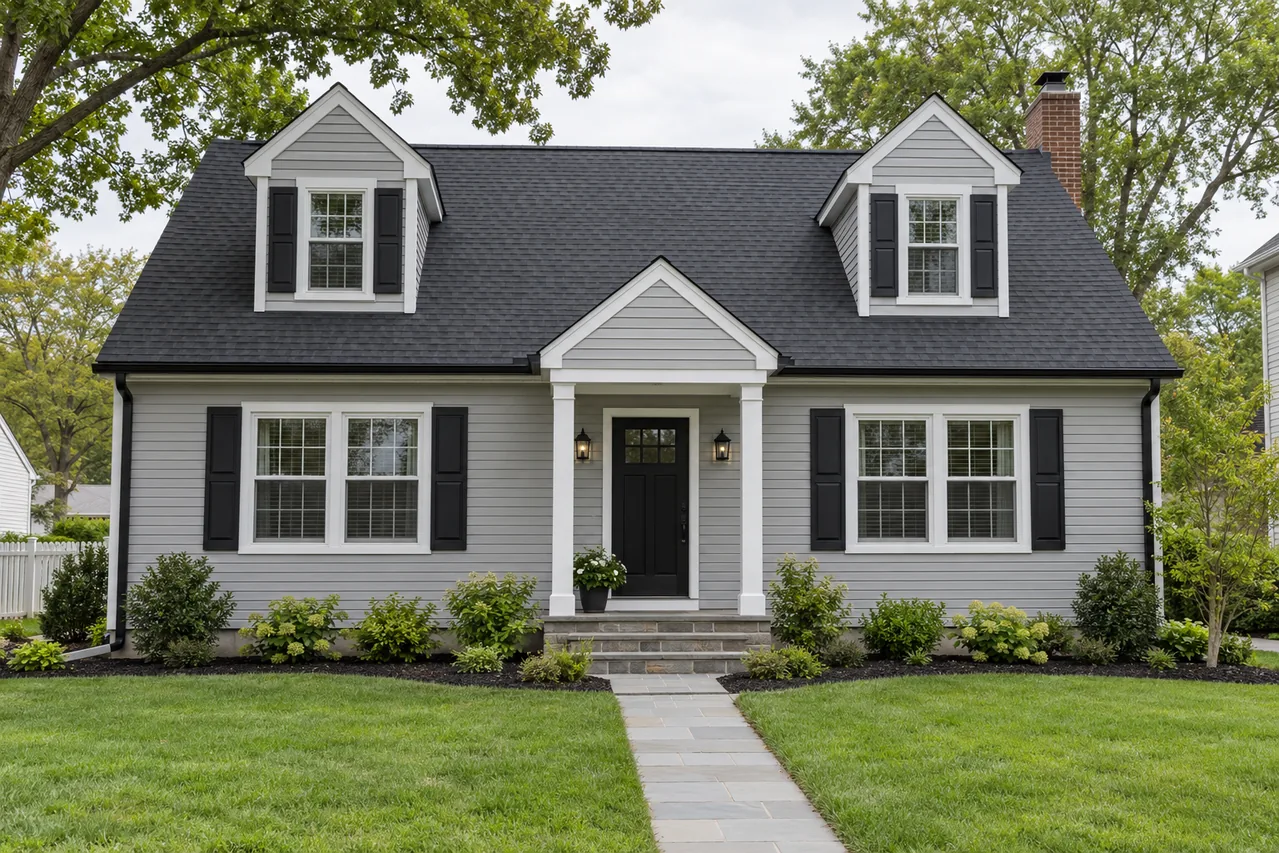
Premium vinyl, white trim, coordinated shutters and roof-edge details.
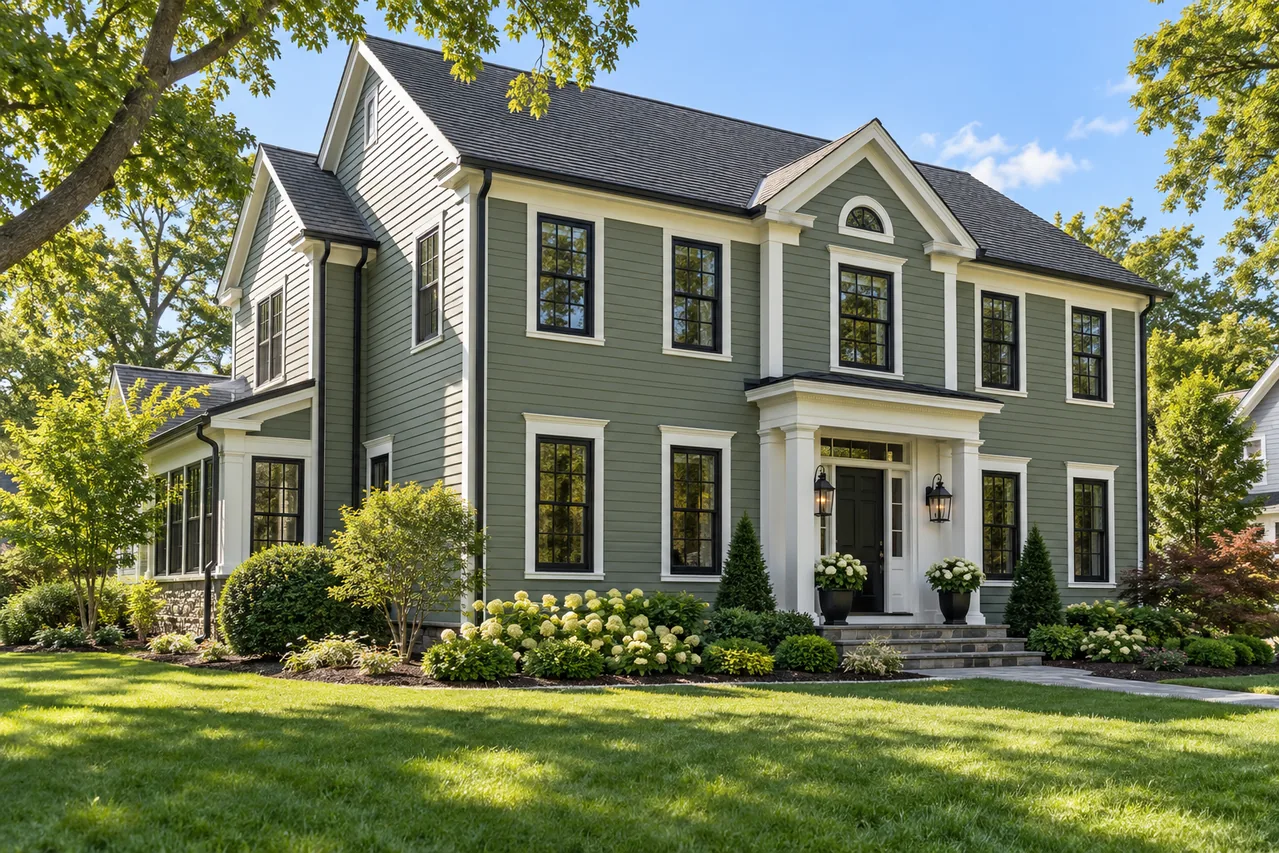
Fiber-cement look, deeper trim and a restrained historic palette.
These launch images are design concepts, not completed-customer project claims. Verified SJCC project photographs should replace them as jobs are documented.
No surprises
Discuss goals, measure the house and inspect siding, openings, roof edges, soffit, fascia and gutters.
Compare physical samples, profiles, colors, trim and maintenance expectations.
Name the product, removal, disposal, wall preparation, flashing, trim, exclusions and warranty.
Remove old material, inspect exposed areas and obtain written approval for changes.
Complete repairs, water management, siding, trim and exterior components according to the contract.
Review the work, cleanup, product documents, warranties and follow-up information.
Before you sign
A low number can represent a different product, an overlay instead of tear-off, missing water-management work or trim that becomes an extra later.
Open the Full Quote ChecklistWho you let onto your property matters
We believe in honesty, transparency, personal responsibility and treating people the way we want our own family treated. We explain what we find, show photographs, put the scope in writing and say when something does—or does not—need to be done.
There is no reason for deception in business when you have the courage to be honest.
Meet Jim, Kayla and SJCCChoose your first step
South Jersey
Serving homeowners throughout Camden, Gloucester and Burlington counties, including Cherry Hill, Voorhees, Haddonfield, Moorestown, Mount Laurel, Marlton, Medford and surrounding communities.
Philadelphia suburbs
Serving parts of Delaware, Montgomery, Bucks, Chester and Philadelphia counties. Confirm availability for your address when scheduling.
See the complete service areaWe measure, look for the conditions that change the job and explain the written scope in plain English.